Difference between traditional and digital credit cards
The Essentials of Credit Card Types
Understanding the landscape of credit cards is essential for maximizing their benefits. The world of credit has evolved significantly, introducing two main types of cards: traditional credit cards and digital credit cards. Each type comes with unique features and advantages that cater to different consumer needs.
Exploring Traditional Credit Cards
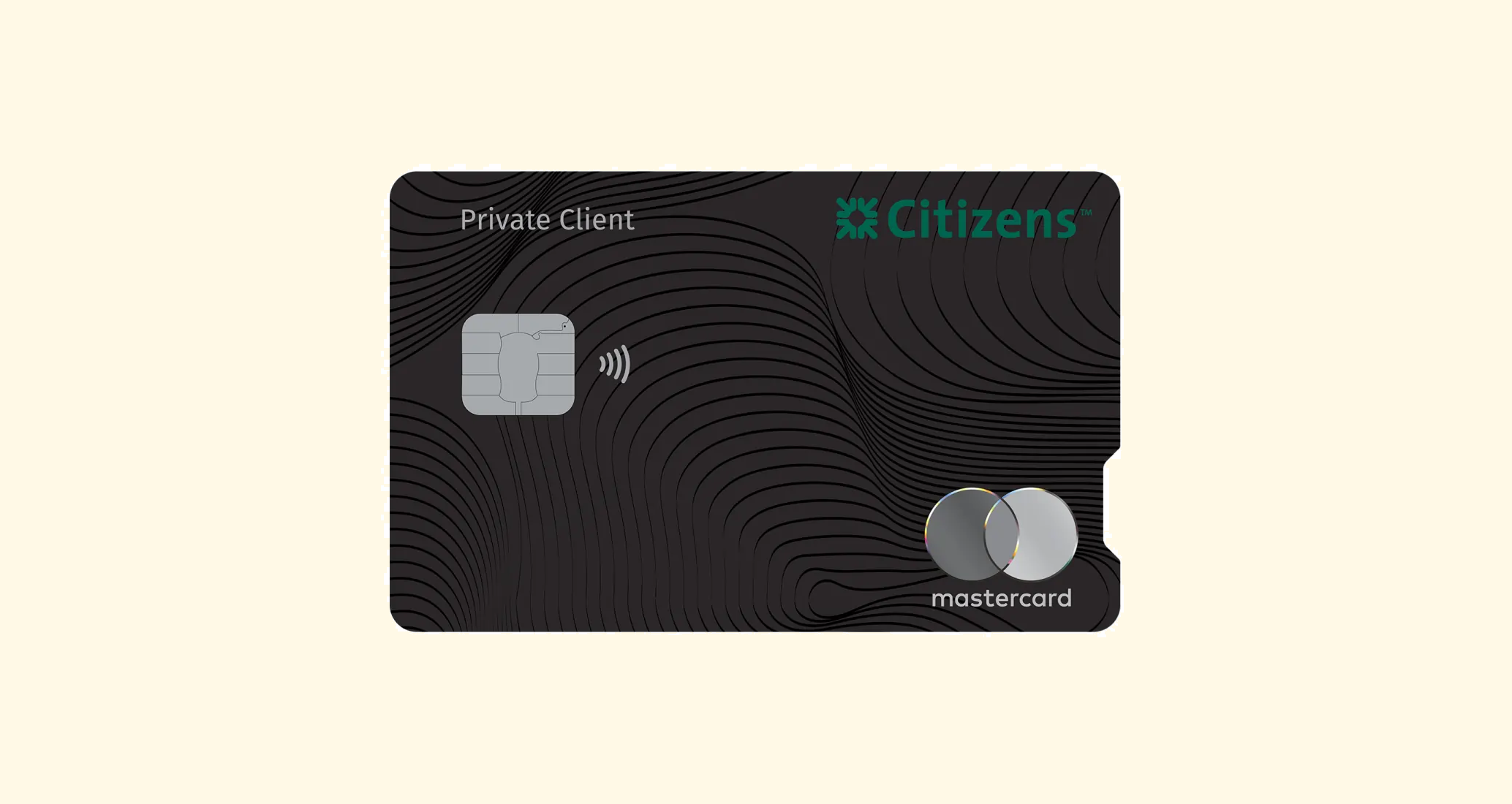
Traditional credit cards are physical cards that have been used for decades. They typically require a physical presence for transactions, making them essentially tangible. Here are some characteristics of traditional credit cards:
- Physical cards often come with a magnetic stripe that stores essential account information.
- These cards are widely accepted at most retailers, restaurants, and service providers, making them versatile for everyday purchases.
- Using a traditional credit card comes with responsibilities such as keeping the card secure and managing payment schedules to avoid high interest rates on outstanding balances.
For example, think of a family on a vacation road trip across the United States. They might find it easier to make purchases at numerous locations with a physical credit card rather than worrying about online banking or apps. However, they must remember to keep the card safe to prevent unauthorized use.
The Rise of Digital Credit Cards
In contrast, digital credit cards have emerged as a modern solution in our technologically advanced society. They provide distinct features that appeal to a digitally-savvy audience:
- Digital credit cards are typically accessed through a mobile app or online platform, allowing for quick access and account management.
- These cards often boast enhanced security features, including virtual card numbers that can be used for online purchases without exposing your actual card details.
- They are convenient for online and contactless transactions, enabling users to shop with just a tap on their smartphones.
As an example, consider a tech-savvy college student who prefers to make purchases online or at contactless payment terminals. Using a digital credit card, they can enjoy peace of mind knowing they can generate a new virtual number for every transaction, significantly reducing the risk of fraud.
Making Informed Financial Decisions
As you embark on the journey to understand these credit options, it’s crucial to recognize how they can impact your financial decisions. Each card type has its own set of advantages that can cater to your lifestyle. Whether you prefer the tangible nature of traditional cards or the innovative approach of digital options, both can be valuable tools in your financial toolkit.
Understanding these differences allows you to make informed choices that align with your spending habits, preferences, and security needs. By selecting the right type of credit card for your lifestyle, you can enhance your financial health and enjoy the benefits of responsible credit use.
CHECK OUT: Click here to explore more
Understanding the Distinctions: Traditional vs. Digital Credit Cards
Key Features of Traditional Credit Cards
Traditional credit cards have long been a staple in personal finance, favored for their straightforward utility and widespread applicability. Let’s delve into the key features that define these cards:
- Physical Presence: Traditional credit cards are tangible items that people carry in their wallets or purses. Their physical nature allows direct interaction during transactions, whether at a retail store, restaurant, or gas station.
- Acceptance: One of the primary advantages of traditional credit cards is their widespread acceptance. Most merchants—both brick-and-mortar and online—recognize these cards, making them an essential payment method for everyday purchases.
- Security Measures: While traditional cards have security features like embossed numbers and magnetic stripes, they still face risks such as theft or loss. Cardholders must remain vigilant and take proactive measures to protect their cards from unauthorized use.
For a real-world scenario, consider a family dining out at a restaurant. They can effortlessly use their traditional credit card to settle the bill without the need for extra technology or apps. However, they must ensure the card is safely stored to avoid fallbacks on security.
Digital Credit Cards: A Modern Approach
On the other hand, digital credit cards represent a transformative shift in how we manage finances in a digital age. The following features set them apart:
- Virtual Accessibility: Digital credit cards are primarily accessed and managed through mobile apps or online platforms, giving consumers the advantages of quick access and hassle-free account management.
- Enhanced Security: Digital cards often incorporate advanced security mechanisms, such as virtual card numbers. These allow for online transactions without exposing the actual card details, significantly mitigating the risk of fraud.
- Convenience: Perfectly suited for today’s fast-paced lifestyle, digital credit cards facilitate contactless transactions and online shopping. Users can make purchases with a simple tap or click, aligning with the convenience expected in modern payments.
Imagine a university student checking out at an online bookstore. Using a digital credit card, they can generate a one-time-use virtual card number, completing their purchase while ensuring their sensitive information remains private and secure. This minimizes the chances of falling prey to hacking or scams.
Deciding What’s Best for You
As you assess the differences between traditional and digital credit cards, it’s essential to consider your personal financial habits and preferences. Each type of card has advantages depending on your lifestyle, security concerns, and purchasing behaviors. By recognizing these distinctions, you can make more informed financial decisions that are aligned with your needs.
SEE ALSO: Click here to read another article
Comparative Analysis: Pros and Cons of Traditional and Digital Credit Cards
Advantages of Traditional Credit Cards
While traditional credit cards offer a range of benefits, they also have some intrinsic limitations. Here are the primary advantages:
- Immediate Acceptance: Traditional credit cards are universally accepted by most merchants. Whether shopping at a local grocery store or refueling at a gas station, having a physical card ensures that you can make a purchase without worrying about connectivity issues or technological barriers.
- Familiarity: Many consumers are accustomed to using traditional credit cards, which can make budgeting and tracking expenses simpler for those who prefer keeping physical statements or receipts.
- Rewards Programs: Numerous traditional credit cards offer attractive rewards programs that can include cash back, travel rewards, and discounts on certain purchases. For travelers, earning points with every swipe can significantly enhance their travel experience.
Consider an older couple planning a road trip across the country. They’re likely to find it more comforting to use their traditional credit card for gas station purchases, where physical cards are often requested at the pump. Plus, the rewards they earn on their gas spending can add up quickly, offsetting travel costs.
Challenges Faced by Traditional Credit Cards
Despite their benefits, traditional credit cards come with several drawbacks:
- Loss and Theft Risks: Physical cards can be easily lost, stolen, or damaged, leading to potential fraud if not reported promptly. Cardholders must monitor their statements closely to catch unauthorized transactions.
- No Privacy for Online Transactions: Using a traditional credit card for online shopping requires sharing card details, raising concerns about security and privacy, especially if the website does not use secure encryption.
Advantages of Digital Credit Cards
Digital credit cards are revolutionizing the payment landscape, making transactions more secure and efficient. Here are their key advantages:
- Layered Security: Digital cards often utilize tokenization and encryption, offering an extra layer of security for online payments. This technology ensures that card numbers are not exposed during transactions.
- Instant Card Issuance: With digital credit cards, approval can often lead to immediate access. This means users can start spending right away, without waiting for a physical card to arrive in the mail.
- Ease of Organization: Many digital banking apps offer features that help track spending in real-time. Users can categorize expenses, set budgets, and view analytics, making personal finance management easier than ever.
For example, a freelance graphic designer may opt for a digital credit card. They can swiftly generate temporary card numbers for their online subscriptions while analyzing their spending habits through an app that features detailed breakdowns. This efficiency empowers them to stay on top of their finances and avoids unnecessary spending.
Drawbacks of Digital Credit Cards
However, digital credit cards are not without their downsides:
- Limited Physical Use: Although many establishments now accept digital payments, those that don’t may still require a physical card. This can create challenges in regions where digital infrastructure is limited.
- Technological Dependence: Digital cards rely on smartphones or other devices. Issues like low battery or connectivity problems can hinder access to funds when needed most.
In conclusion, both traditional and digital credit cards come with their unique sets of advantages and challenges. Evaluating your personal needs and preferences can guide you in selecting the right payment method for your lifestyle and spending habits.
CHECK OUT: Click here to explore more
Final Thoughts on Traditional vs. Digital Credit Cards
In summary, understanding the differences between traditional and digital credit cards is crucial in making informed financial choices. Each type of card has its advantages: traditional credit cards offer widespread acceptance and familiarity, making them ideal for those who prefer tangible transactions and tracking through physical statements. On the other hand, digital credit cards provide enhanced security and convenience, especially for online shoppers and tech-savvy individuals seeking real-time expense management.
However, it’s essential to weigh the drawbacks associated with each option. Traditional credit cards are vulnerable to loss and theft, while digital cards are reliant on technology, which can be a hurdle in low-connectivity situations. For consumers, particularly in the United States, the choice often boils down to personal preferences, daily habits, and specific financial needs.
Ultimately, a hybrid approach may also be beneficial. Many consumers might find that having both types of cards gives them a balanced strategy that combines the security and convenience of digital payments with the reliability and familiarity of traditional cards. As you navigate your financial journey, reflect on your lifestyle and spending habits to choose the card that aligns best with your experience. Being informed will allow you to maximize benefits while minimizing risks.

Linda Carter
Linda Carter is a writer and financial expert specializing in personal finance and financial planning. With extensive experience helping individuals achieve financial stability and make informed decisions, Linda shares her knowledge on our platform. Her goal is to empower readers with practical advice and strategies for financial success.