The impact of Federal Reserve decisions on global markets
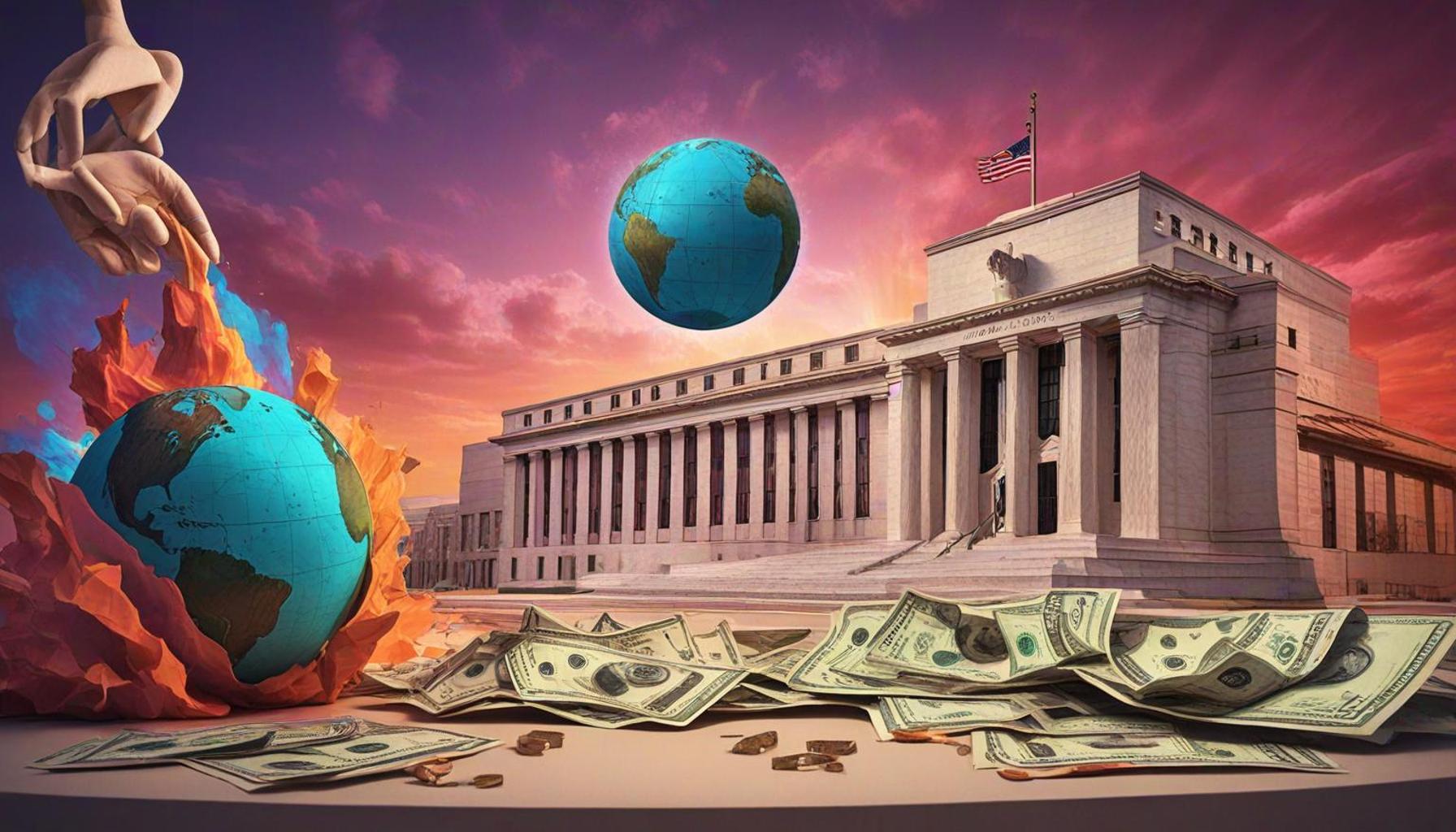
The Role of the Federal Reserve in Global Economics
The decisions made by the Federal Reserve are pivotal, influencing not just the national economy of the United States but also impacting financial markets worldwide. The Fed’s methods of managing interest rates, addressing inflation, and regulating employment are crucial levers that contribute to economic stability or instability. When the Fed makes a policy change, it reverberates across international borders and can lead to significant shifts in global financial dynamics.
Understanding these influences is vital, as they can lead to transformative shifts in several key areas:
- Currency Valuation: Fed policy can significantly alter the strength of the U.S. dollar. For instance, when the Fed raises interest rates, it typically leads to a stronger dollar because higher interest rates offer better returns on investments denominated in dollars. This strong dollar can negatively impact U.S. exports, making American goods more expensive for foreign buyers, thus affecting trade balances.
- Investment Flows: International investors are consistently monitoring U.S. interest rates. A shift in rates can prompt them to either pour money into U.S. assets like bonds and stocks or withdraw it in favor of more lucrative opportunities elsewhere. For example, if the Fed indicates a potential rate hike, foreign investors may flock to American securities to capitalize on the higher yields, thus influencing global investment strategies.
- Emerging Markets: Countries reliant on capital inflows, like those in Southeast Asia or Latin America, may find their economies strained in response to Fed actions. When the Fed increases interest rates, it often leads to capital flight from these emerging markets back to the U.S., creating challenges such as higher borrowing costs and reduced economic growth in those regions.
For instance, when the Federal Reserve hiked interest rates in 2015, many emerging markets experienced stock market declines and currency depreciation. The increased returns in the U.S. made American assets more attractive, leading to significant withdrawals from overseas investments, creating a ripple effect that showcased the interconnectedness of the global economy.
Moreover, as global financial markets are intertwined, a mere announcement from the Fed can incite volatility in stock exchanges around the world. Investors’ expectations regarding future policy changes can create a sense of unpredictability affecting market stability globally. This interconnectedness ensures that even minor adjustments in the U.S. economic landscape can influence economies far removed from the American shore.
As we delve further into this topic, we will examine these dynamics more closely, enhancing our understanding of how the Federal Reserve’s policies shape not only the financial backdrop of the United States but also worldwide economic trends. Through nuanced examples and thorough explanations, we aim to clarify these complex interactions, empowering readers to comprehend the implications of Fed decisions in their day-to-day lives.
SEE ALSO: Click here to read another article
Understanding the Currency and Investment Ripple Effects
The ramifications of Federal Reserve decisions extend beyond just the U.S. economy, eliciting noteworthy responses in global financial systems. One of the most immediate effects is seen in currency valuation, particularly with the U.S. dollar. When the Federal Reserve raises or lowers interest rates, it affects the relative strength of the dollar compared to other currencies. A stronger dollar can make imports cheaper for American consumers, but it often comes at the expense of U.S. exporters, who find their goods are more expensive for foreign buyers. This can lead to fluctuations in trade balances and alter competitive dynamics in global markets.
To illustrate the currency effects of the Fed’s decisions, consider a scenario where the Fed raises interest rates. This action can attract foreign investment, as higher yields on U.S. debt securities typically entice international capital. As investors purchase U.S. assets, demand for the dollar increases, allowing it to appreciate. While this can signal economic strength, it may simultaneously burden U.S. manufacturers who struggle to compete with lower-priced foreign products.
Moreover, the impact on investment flows is extremely significant. Investors worldwide keep a close watch on U.S. monetary policy. For example, when the Federal Reserve signals an impending rate hike, it can trigger a surge of investment into American bonds and stocks, seeking higher returns. This influx often leads to volatility in global markets as investors reallocate their resources based on perceived opportunities.
- Rate Increases: A hike may lead to immediate capital inflow into U.S. markets, influencing global asset allocations.
- Economic Indicators: Foreign investments in U.S. equity and fixed-income securities often shift based on Fed’s monetary policy signals.
- Market Perception: The associated financial stability of the U.S. can compel investors to reassess risk levels across the globe.
The implications for emerging markets cannot be understated. These economies often rely heavily on foreign capital for growth. If the Fed raises interest rates, capital can rapidly exit emerging markets, seeking the safety and higher returns of U.S. assets. This phenomenon was vividly observable during the tightening of monetary policy in 2015, when countries such as Brazil and Indonesia saw sharp declines in their stock markets and currencies. Suddenly, many of these nations faced higher borrowing costs and slower economic growth due to diminished investment inflows.
Market participants must grasp that while the Federal Reserve operates primarily within the boundaries of the U.S. economy, its policy decisions resonate globally, shaping not only financial landscapes but also economic stability across nations. This intricate interplay requires continual monitoring as investors seek to anticipate and adapt to changes emerging from U.S. monetary policy.
SEE ALSO: Click here to read another article
The Influence on Global Economic Sentiment and Policy Responses
The Federal Reserve’s decisions significantly shape global economic sentiment, often leading to adjustments in policies by other central banks around the world. As the Fed is perceived as a bellwether for global monetary policy, its actions can either inspire confidence or incite caution among international investors. This phenomenon is particularly evident in the interconnectedness of central banking decisions, where one country’s monetary policy can quickly influence another’s. For instance, if the Federal Reserve cuts interest rates to stimulate the economy, central banks in emerging markets might consider following suit to maintain competitive positioning. However, doing so could lead to unwanted inflationary pressures in their economies.
Additionally, global market volatility often rises in tandem with the Federal Reserve’s announcements. For example, when the Fed hinted at tapering its bond-buying programs in 2021, global stock indices experienced sharp declines, as investors reassessed their risk exposure. The prospect of reduced liquidity from the largest central bank can send ripples through financial markets, leading to sudden sell-offs and changes in investment strategies, particularly in sectors considered risky or overvalued.
- Investor Behavior: Psychologically, markets can react drastically to Federal Reserve speeches or forecasts, which means even subtle shifts in language can result in altered trading patterns around the globe.
- Interest Rate Correlation: Other central banks closely monitor the Fed’s policy changes as the rates in the U.S. often set a benchmark. An increase in U.S. interest rates can compel nations like Canada or Australia to evaluate their monetary policies to prevent capital flight.
- Global Trade Implications: After a Fed decision, global trade strategies may shift, as nations with large export sectors react to changes in exchange rates and commodity prices influenced by dollar valuation.
Moreover, the impact of Federal Reserve decisions on commodity markets cannot be overlooked. For countries rich in natural resources, fluctuations in U.S. interest rates can alter demand for commodities such as oil, gold, or agricultural products. When the Fed signals tightening, the cost of financing for businesses increases, which can lead to decreased demand for commodities. For example, if the Federal Reserve raises rates, the dollar typically strengthens, making dollar-denominated commodities more expensive for foreign buyers. Countries heavily reliant on commodity exports may face economic strain as prices drop and revenues decline.
In contrast, a decision to lower interest rates can lead to rising commodity prices as cheaper borrowing costs often fuel economic expansion and increase demand. This was particularly visible during the Fed’s accommodative monetary policies following the 2008 financial crisis. In many emerging markets, rising commodity prices fueled growth, increased investment, and ultimately improved living standards. Thus, the Federal Reserve’s policies can tangibly affect economies around the globe, influencing everything from basic trade dynamics to levels of inequality within developing nations.
In sum, understanding how the Federal Reserve’s monetary policy decisions impact global economic sentiment and the reactions of other central banks is crucial. The implications are not only confined to direct financial transactions but extend to influencing global economic health and stability, underscoring the interlinked nature of today’s marketplace.
CHECK OUT: Click here to explore more
Conclusion
The influence of the Federal Reserve on global markets is profound and multifaceted. By adjusting interest rates and implementing monetary policies, the Fed not only shapes the economic landscape within the United States but also sets off a chain reaction that ripples across the globe. It is critical to recognize that the interconnectedness of modern financial systems means that changes made by one central bank, particularly the U.S. Federal Reserve, can directly affect investment decisions, currency values, and economic strategies of nations worldwide.
As we have seen, global economic sentiment can shift dramatically based on the Fed’s decisions—instilling confidence or inciting caution among investors and policymakers alike. Countries that closely monitor U.S. monetary policy are likely to recalibrate their own economic strategies to align with or counteract these influences. Furthermore, the impact on commodity markets illustrates how fluctuations in U.S. interest rates can lead to varying consequences for countries dependent on natural resources, highlighting the far-reaching effects of Federal Reserve actions.
In conclusion, to navigate today’s complex economic environment, it is essential for investors and policymakers to have a comprehensive understanding of how Federal Reserve decisions can influence market dynamics not just in the United States, but around the world. Being cognizant of these implications can help stakeholders better anticipate changes, make informed decisions, and maintain economic stability in an increasingly interconnected global marketplace.

Linda Carter
Linda Carter is a writer and financial expert specializing in personal finance and financial planning. With extensive experience helping individuals achieve financial stability and make informed decisions, Linda shares her knowledge on our platform. Her goal is to empower readers with practical advice and strategies for financial success.